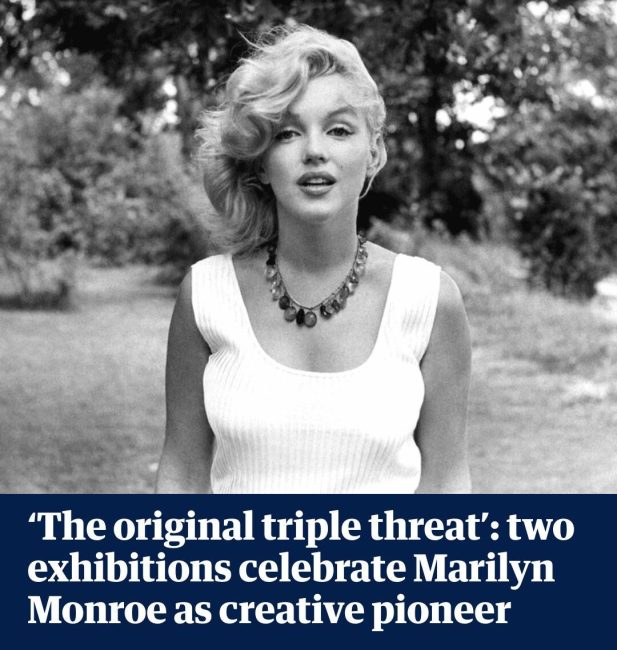
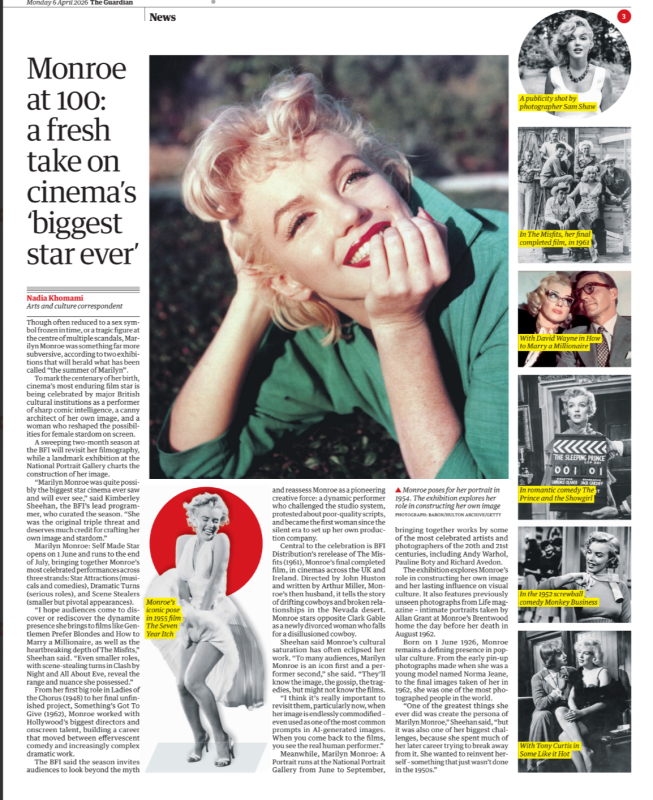
Following her ‘scandalous‘ cover story in the Saturday supplement, Marilyn makes another appearance in The Guardian today. And this summer, London will celebrate Marilyn’s 100th birthday with a major photographic exhibition at the National Portrait Gallery and a cinematic retrospective at the British Film Institute, as Nadia Khomami reports.
While BFI programmer Kimberley Sheehan describes Marilyn as ‘the original triple threat’ and ‘the biggest star cinema ever saw’, she was preceded by the likes of Ginger Rogers and Rita Hayworth, and outrun at the box-office by Elizabeth Taylor and Doris Day.
Nor was she ‘the first woman since the silent era to set up her own production company.’ Marilyn’s co-stars Constance Bennett and Jane Russell were just two of the many Hollywood women who took the same step, to greater or lesser effect.
None of this diminishes Marilyn’s enduring legacy but provides necessary context, as her unique blend of beauty, charisma and talent – not to mention her sudden exit from the spotlight – have now eclipsed most of her peers, and as Sheehan reflects, she ‘deserves much credit for crafting her own image and stardom.’
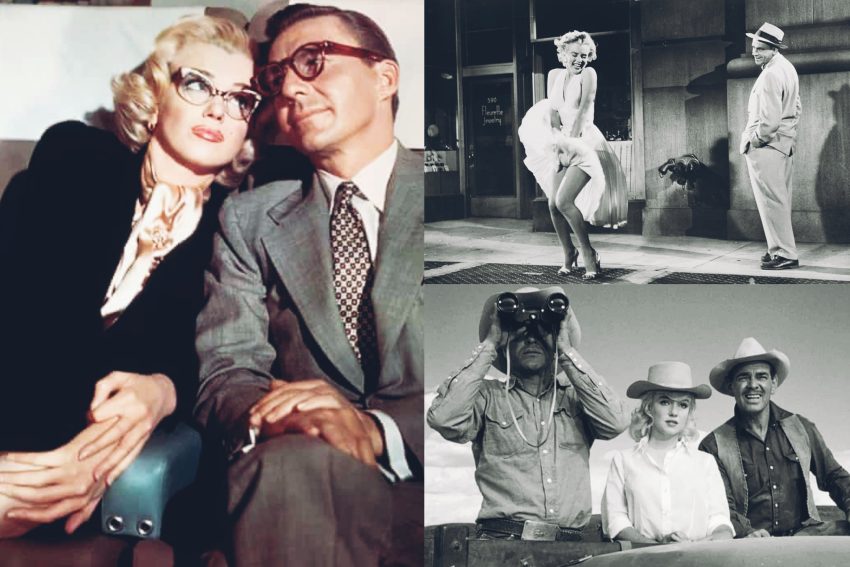
“Though often reduced to a sex symbol frozen in time, or a tragic figure at the centre of several scandals, Marilyn Monroe was something far more subversive, according to two exhibitions that will herald what has been nicknamed ‘the summer of Marilyn’.
Marilyn Monroe: Self Made Star opens at the BFI on 1 June and runs to the end of July, bringing together Monroe’s most celebrated performances across three strands: Star Attractions (musicals and comedies), Dramatic Turns (serious roles), and Scene Stealers (smaller but pivotal appearances)
Kim Sheehan said: ‘I hope audiences come to discover or rediscover the dynamite presence she brings to films like Gentlemen Prefer Blondes and How to Marry a Millionaire, as well as the heartbreaking depth of The Misfits. Even smaller roles, with scene-stealing turns in Clash by Night and All About Eve, reveal the range and nuance she possessed.’
Central to the celebration is BFI Distribution’s re-release of The Misfits (1961), Monroe’s final completed film, in cinemas across the UK and Ireland … Sheehan said Monroe’s cultural saturation had often eclipsed her work.
‘To many audiences, Monroe is an icon first and a performer second,’ she said. ‘They’ll know the image, the gossip, the tragedies, but they might not know the films. I think it’s really important to revisit them, particularly now, when her image is endlessly commodified – even used as one of the most common prompts in AI-generated images. When you come back to the films, you see the real human performer.’
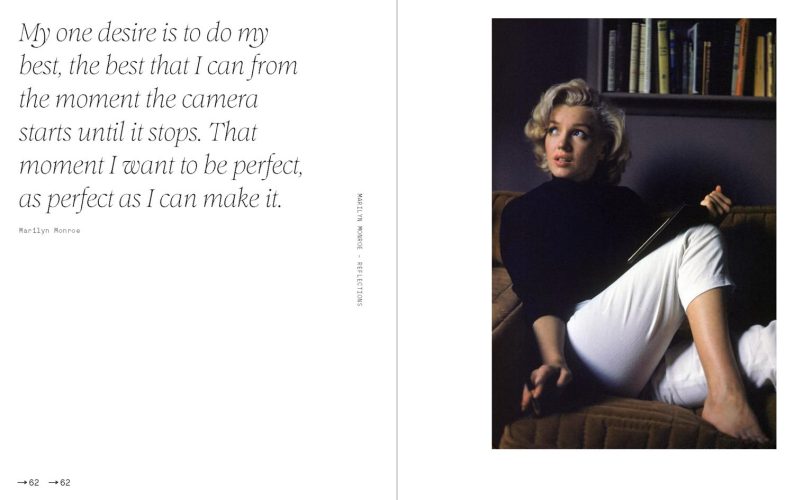
Meanwhile, Marilyn Monroe: A Portrait runs at the National Portrait Gallery from June to September, bringing together works by some of the most celebrated artists and photographers of the 20th and 21st centuries, including Andy Warhol, Pauline Boty and Richard Avedon.
The exhibition explores Monroe’s role in constructing her own image and her lasting influence on visual culture. It also features previously unseen photographs from Life magazine – intimate portraits taken by Allan Grant at Monroe’s Brentwood home, in Los Angeles, the day before her death in August 1962.
‘One of the greatest things she ever did was create the persona of Marilyn Monroe,’ Sheehan said, ‘but it was also one of her biggest challenges, because she spent much of her later career trying to break away from it. She wanted to reinvent herself – something that just wasn’t done in the 1950s.’
Drawing a comparison to contemporary stars, she continued: ‘Now there are figures like Taylor Swift, who has her eras, or Madonna, who was a trailblazer in reinvention. Marilyn attempted that when she set up her production company but people didn’t understand it, they ridiculed her.’
‘We’ve come a long way, but there’s still further to go,’ Sheehan added. ‘If Marilyn was around today, she could have been a Margot Robbie – someone with huge capital in her image, but also a terrific performer and a smart, active producer. I’d like to think that, if she’d lived longer, she would have had more of a chance.'”
 The Marilyn Report