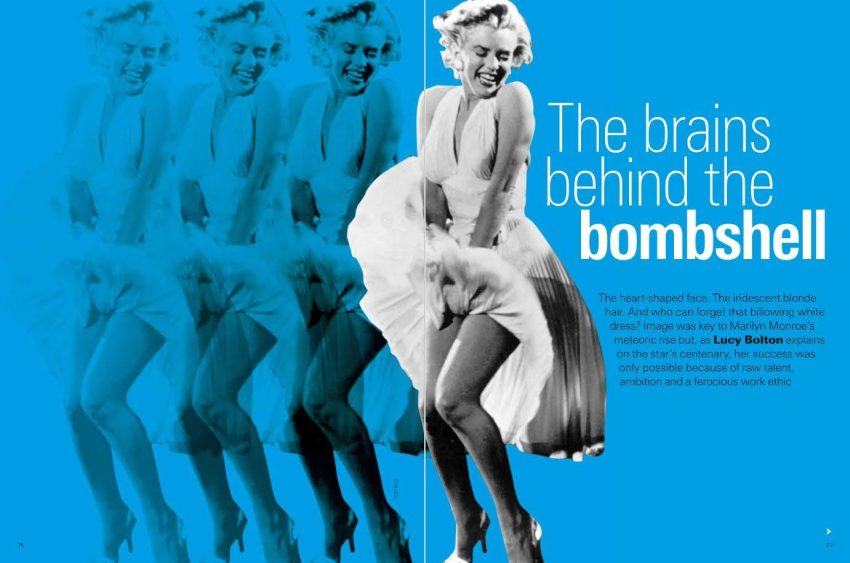
Marilyn appears in two UK history magazines this month. Firstly, the June issue of the BBC’s History Extra features a seven-page article, ‘The Brains Behind the Bombshell.’
“It is often assumed, rather simplistically, that beautiful women have the natural attributes required to be a film star: faces and figures that the camera loves. This fails to acknowledge the hard yards aspiring actors have to put in before their careers take off if they ever do. Marilyn Monroe was one of those aspiring young actors whose dazzling later success eclipsed the unexceptional beginnings to her career … Her initial Fox contract was for only six months, but Monroe took this opportunity to absorb everything she could about the business, as well as taking lessons in acting. singing and dancing … Monroe worked with acting coaches. Natasha Lytess and Michael Chekhov, and soaked up all the information she could from film crews and sets.
Monroe’s commitment to attaining the face and body she wanted reflects her deliberate strategy for shaping her image. That persona – the popular, sexy bombshell – was very much a construct and, at this stage in her career, a strong indication of her determination to achieve movie success … After these major successes and steps, though, several factors combined to detract from Monroe’s stability and ability to live up to the high standards she set herself … Her focus and professionalism were also compromised by ongoing problems with excessive medication for severe anxiety, depression and insomnia, her addiction to a concoction of drugs and champagne, and chronic mental and physical health issues that led to periods of hospitalisation.
Despite persistent conjecture about her death – classified as a probable suicide -we should look beyond the salacious details to consider Monroe’s legacy … Filmmakers and storytellers continue to create biographical vignettes stuffed with clichés that perpetuate the narrative of Monroe as tragic victim. That is not an adequate picture of any life, let alone that of a woman who built a career in the toughest of environments at a time when domesticity, motherhood and contented wifehood were the best most could expect.
Marilyn Monroe would not let anybody – husband, lover, studio head or psychiatrist – thwart her ambitions. She was a gifted actor with an emotional honesty that lit up the screen in films that have stood the test of time. Her knowing, intelligent characterisations continue to set a benchmark for unselfconscious performance and authentic commitment to the craft of acting.”
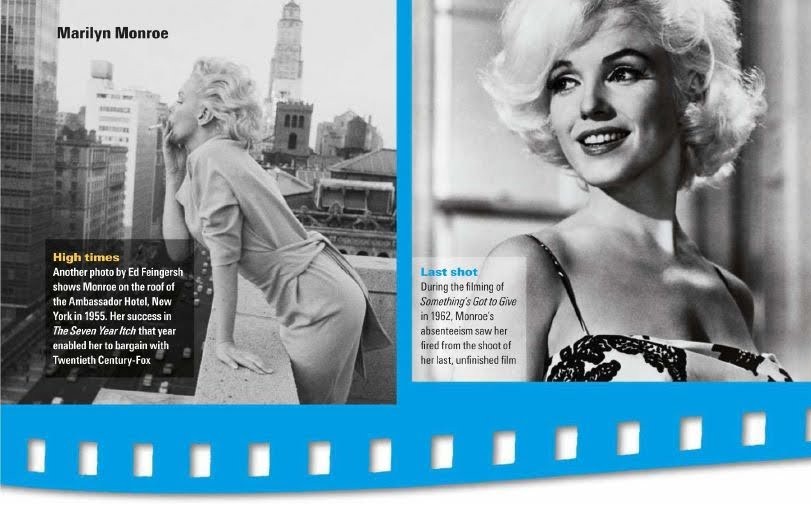
Author Lucy Bolton, a film studies professor at Queen Mary University in London, provides a feminist overview of Marilyn’s career. She will also present an upcoming podcast episode about Monroe for History Extra subscribers.
While Bolton writes that Marilyn was reinstated on a higher salary after being fired by Fox in 1962, negotiations with the studio were still ongoing when she died.
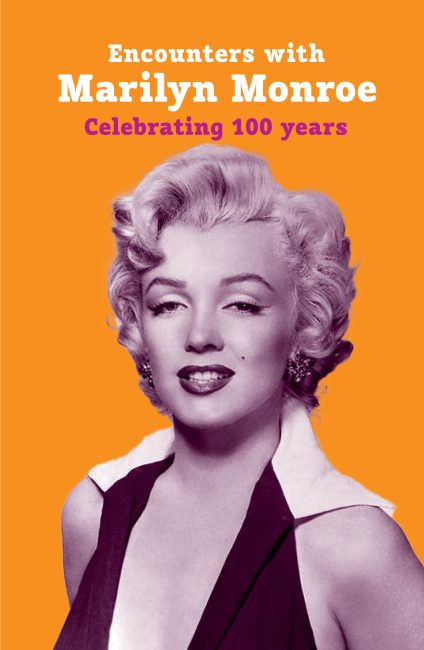
Encounters With Marilyn Monroe: Celebrating 100 Years, an anthology edited by Lucy Bolton, is due for release on June 1. Among the contributors are Scott Fortner, owner of the Marilyn Monroe Collection; and Kelly LaCroix, curator of the Silver Technicolor and Finding Joe DiMaggio accounts on Instagram.
“A hundred years after her birth, Marilyn Monroe remains an obsession. To celebrate the centenary, this vibrant collection of essays, interviews, personal reflections, poems, photographs, and Monroe’s own words explores why her influence still endures. With an illuminating introduction by Lucy Bolton and contributions from over twenty voices, the book captures the many aspects of Marilyn Monroe: star, symbol, icon, and radiant cultural force.”
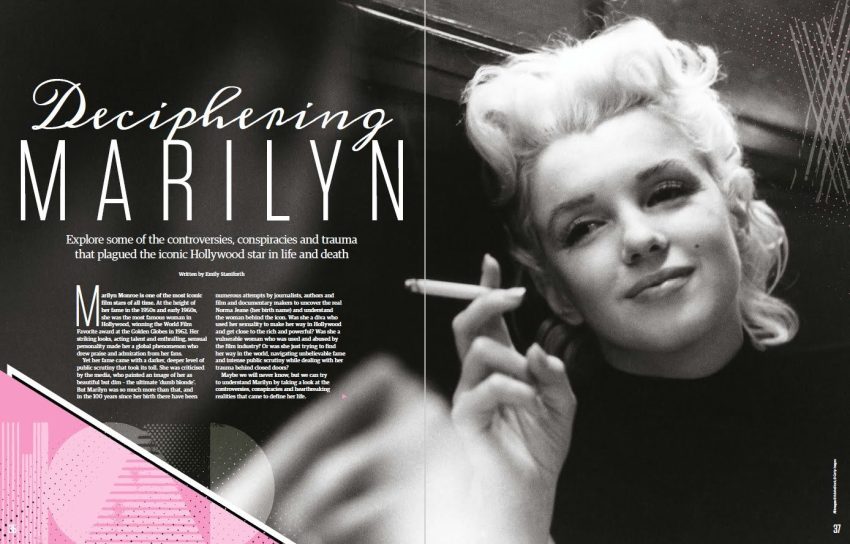
Returning to the newsstand, the June issue of All About History includes a six-page feature, ‘Deciphering Marilyn’.
“Was she a diva who used her sexuality to make her way in Hollywood and get close to the rich and powerful? Was she a vulnerable woman who was used and abused by the film industry? Or was she just trying to make her way in the world, navigating unbelievable fame and intense public scrutiny while dealing with her trauma behind closed doors? Maybe we will never know, but we can try to understand Marilyn by taking a look at the controversies, conspiracies and heartbreaking realities that came to define her life.”
Emily Staniforth’s article delves into a wide range of rumours without drawing any firm conclusions. Marilyn’s troubled childhood, turbulent marriages, health issues and untimely death are all touched upon – but while gossip about the Kennedy brothers is omnipresent, her more substantial affairs with Johnny Hyde and Yves Montand are overlooked.
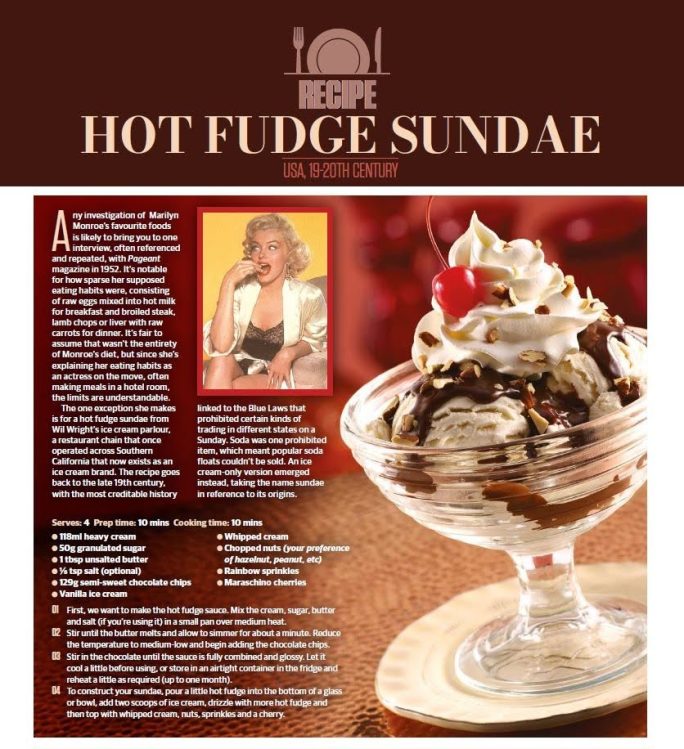
Elsewhere, one of Marilyn’s favourite culinary treats is also featured. She confessed her fondness for the hot fudge sundae served at Wil Wright’s Ice Cream Parlour in Beverly Hills – a rare indulgence in her otherwise spartan diet – during a 1952 interview for Pageant magazine.