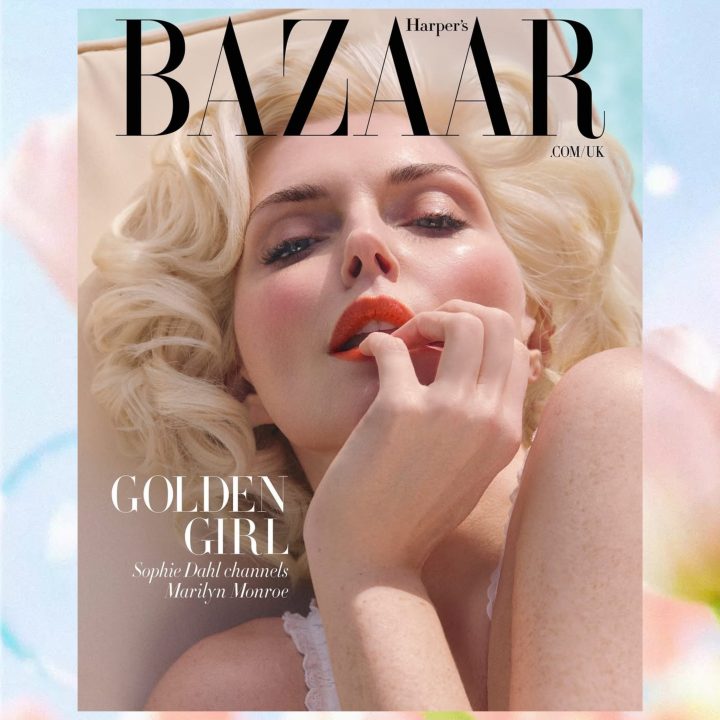
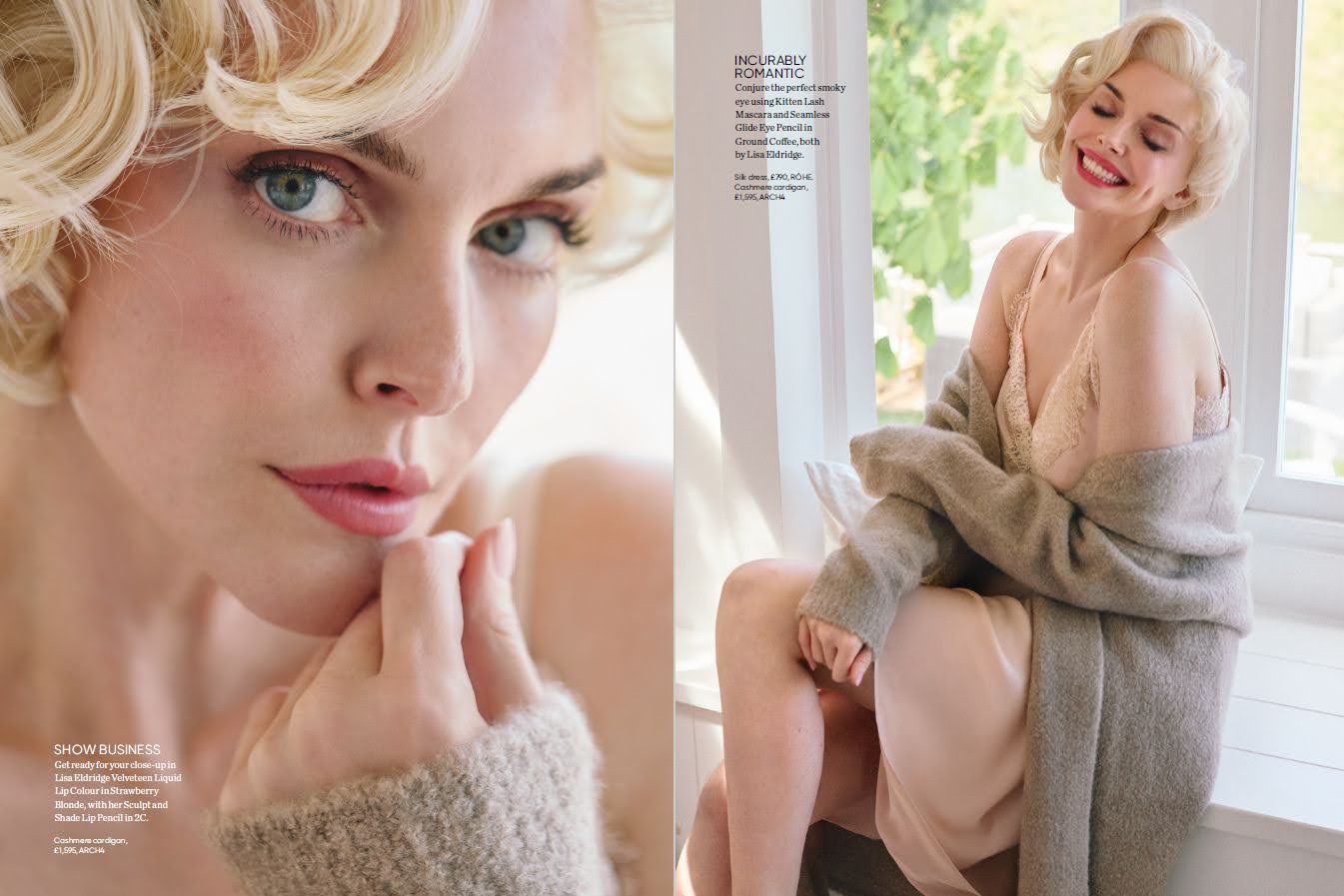
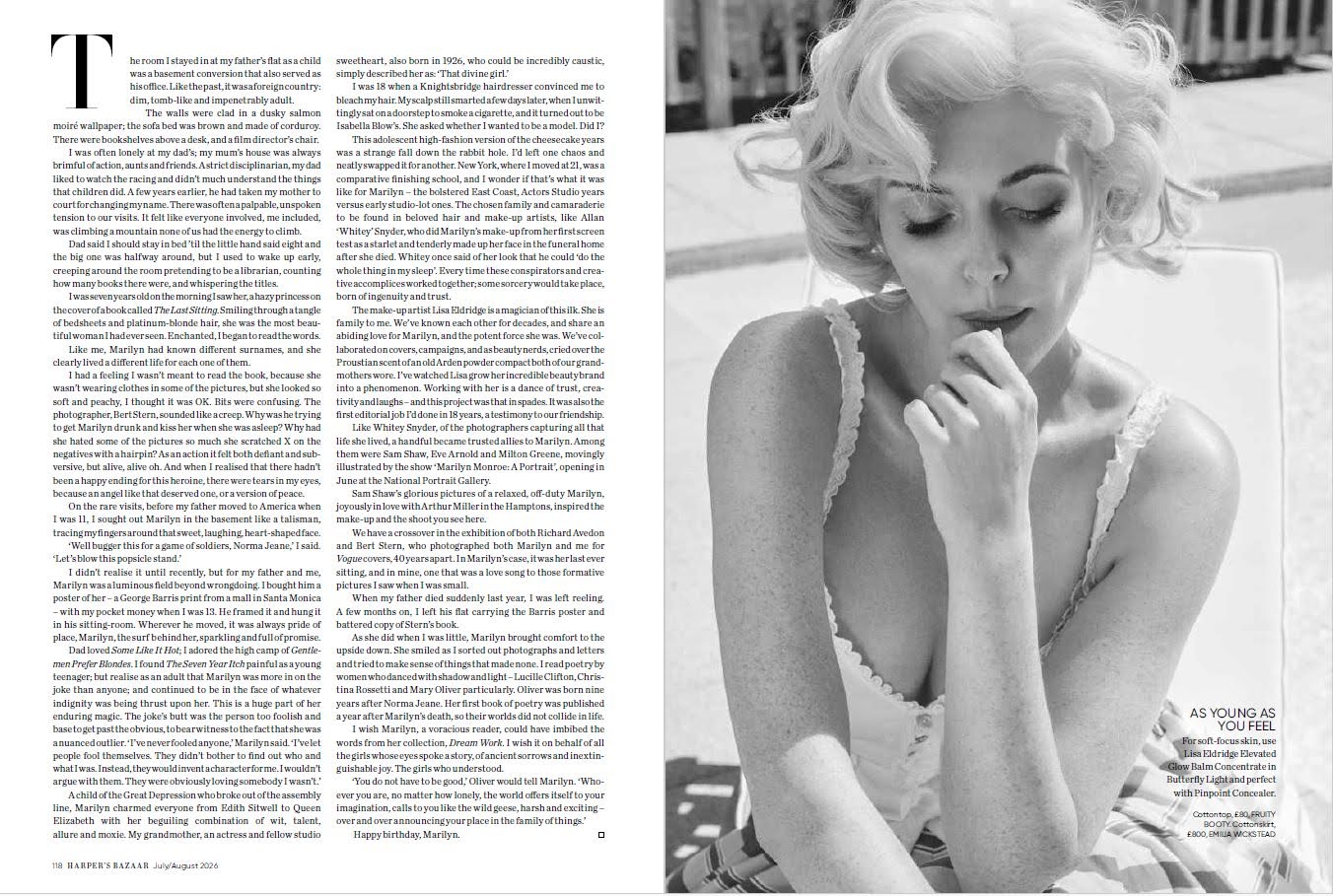
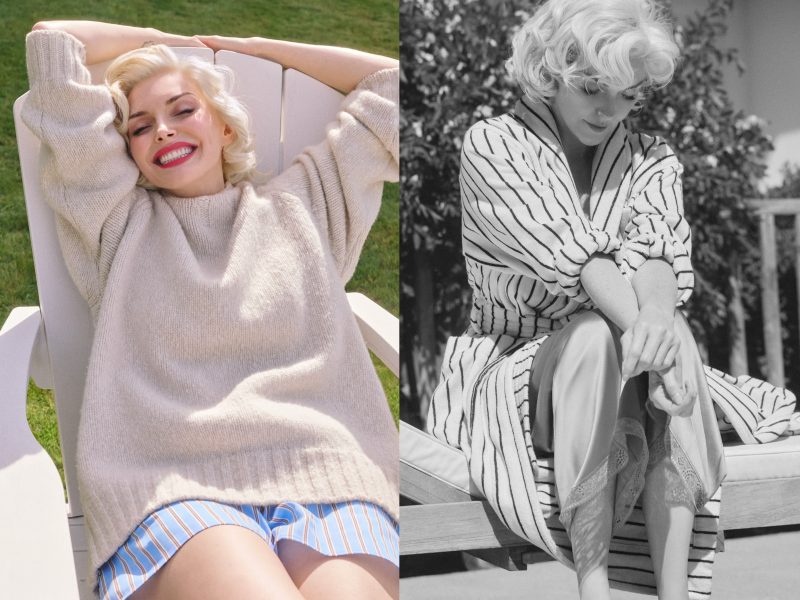
The British supermodel turned author Sophie Dahl has posed for a Marilyn-inspired photo shoot alongside a personal essay published in the July/August 2026 edition of Harper’s Bazaar (UK edition, with Greta Lee on the cover.)
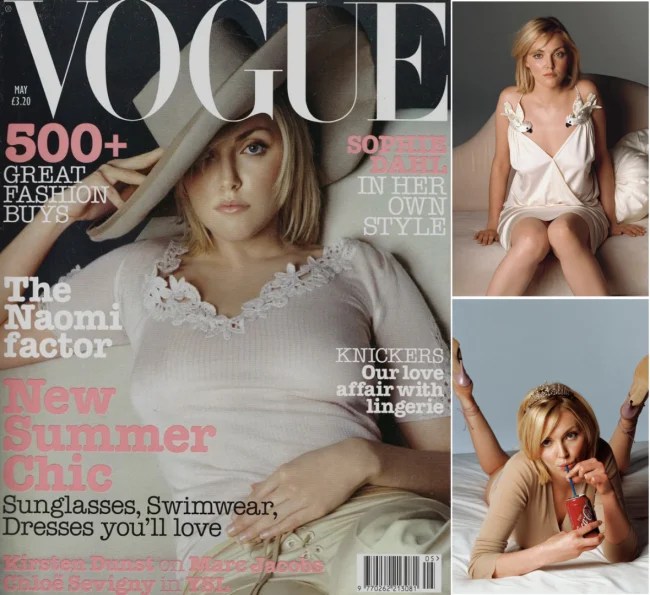
Sophie writes about the influence of Bert Stern’s The Last Sitting, and she was photographed by Stern for Vogue in 2002 – forty years after Marilyn’s iconic shoot for the same magazine.
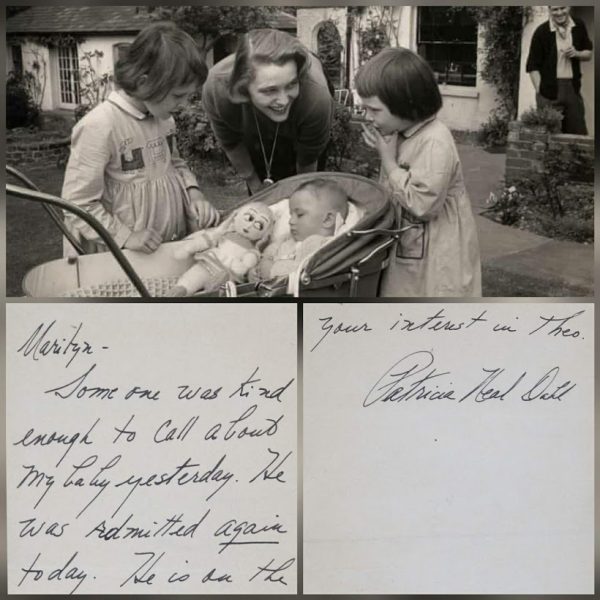
She also mentions her grandmother, actress Patricia Neal. A Hollywood legend in her own right, Patricia’s note to Marilyn – thanking her for visiting her baby son, Theo, in hospital, after a near-fatal car accident in 1960 – was sold at Julien’s Auctions in 2020. (Fortunately, Theo – who is Sophie’s uncle – made a full recovery.)
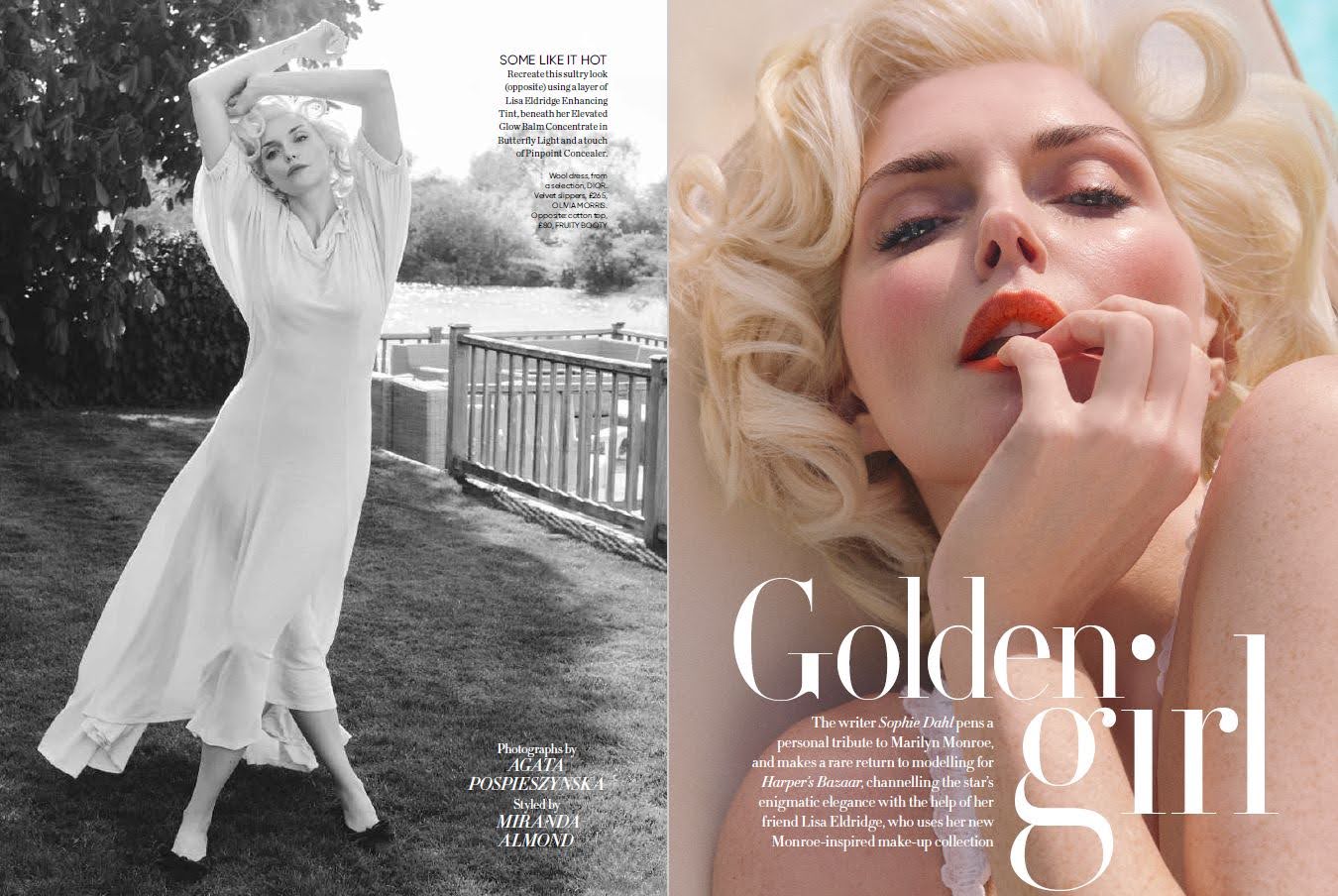
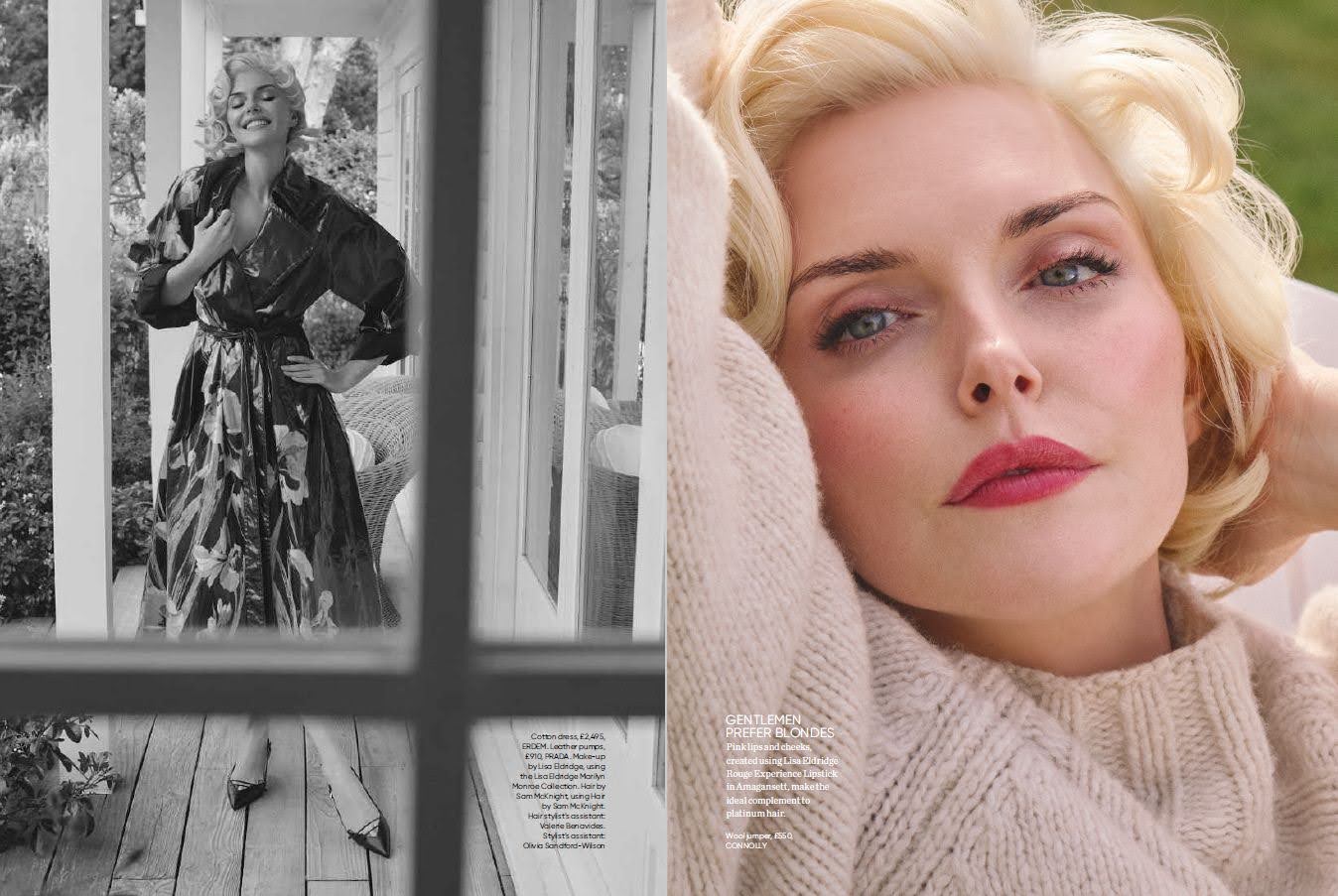
Sophie Dahl was photographed for Harper’s Bazaar by Agata Pospieszynska, wearing makeup from the Marilyn Monroe x Lisa Eldridge collection.
“I was seven years old on the morning I saw her, a hazy princess on the cover of a book called The Last Sitting. Smiling through a tangle of bedsheets and platinum-blonde hair, she was the most beautiful woman I had ever seen. Enchanted, I began to read the words.
Like me, Marilyn had known different surnames, and she clearly lived a different life for each one of them.
I had a feeling I wasn’t meant to read the book, because she wasn’t wearing clothes in some of the pictures, but she looked so soft and peachy, I thought it was OK. Bits were confusing. The photographer, Bert Stern, sounded like a creep. Why was he trying to get Marilyn drunk and kiss her when she was asleep? Why had she hated some of the pictures so much she scratched X on the negatives with a hairpin? As an action it felt both defiant and subversive, but alive, alive oh. And when I realised that there hadn’t been a happy ending for this heroine, there were tears in my eyes, because an angel like that deserved one, or a version of peace.
On the rare visits, before my father moved to America when I was 11, I sought out Marilyn in the basement like a talisman, tracing my fingers around that sweet, laughing, heart-shaped face.
‘Well bugger this for a game of soldiers, Norma Jeane,’ I said. ‘Let’s blow this popsicle stand.’
I didn’t realise it until recently, but for my father and me, Marilyn was a luminous field beyond wrongdoing. I bought him a poster of her – a George Barris print from a mall in Santa Monica – with my pocket money when I was 13. He framed it and hung it in his sitting-room. Wherever he moved, it was always pride of place, Marilyn, the surf behind her, sparkling and full of promise.
Dad loved Some Like It Hot; I adored the high camp of Gentlemen Prefer Blondes. I found The Seven Year Itch painful as a young teenager; but realise as an adult that Marilyn was more in on the joke than anyone; and continued to be in the face of whatever indignity was being thrust upon her. This is a huge part of her enduring magic. The joke’s butt was the person too foolish and base to get past the obvious, to bear witness to the fact that she was a nuanced outlier. ‘I’ve never fooled anyone,’ Marilyn said. ‘I’ve let people fool themselves. They didn’t bother to find out who and what I was. Instead, they would invent a character for me. I wouldn’t argue with them. They were obviously loving somebody I wasn’t.’
A child of the Great Depression who broke out of the assembly line, Marilyn charmed everyone from Edith Sitwell to Queen Elizabeth with her beguiling combination of wit, talent, allure and moxie. My grandmother, an actress and fellow studio sweetheart, also born in 1926, who could be incredibly caustic, simply described her as: ‘That divine girl.’
I was 18 when a Knightsbridge hairdresser convinced me to bleach my hair. My scalp still smarted a few days later, when I unwittingly sat on a doorstep to smoke a cigarette, and it turned out to be Isabella Blow’s. She asked whether I wanted to be a model. Did I?
This adolescent high-fashion version of the cheesecake years was a strange fall down the rabbit hole. I’d left one chaos and neatly swapped it for another. New York, where I moved at 21, was a comparative finishing school, and I wonder if that’s what it was like for Marilyn – the bolstered East Coast, Actors Studio years versus early studio-lot ones. The chosen family and camaraderie to be found in beloved hair and make-up artists, like Allan ‘Whitey’ Snyder, who did Marilyn’s make-up from her first screen test as a starlet and tenderly made up her face in the funeral home after she died. Whitey once said of her look that he could ‘do the whole thing in my sleep’. Every time these conspirators and creative accomplices worked together; some sorcery would take place, born of ingenuity and trust.
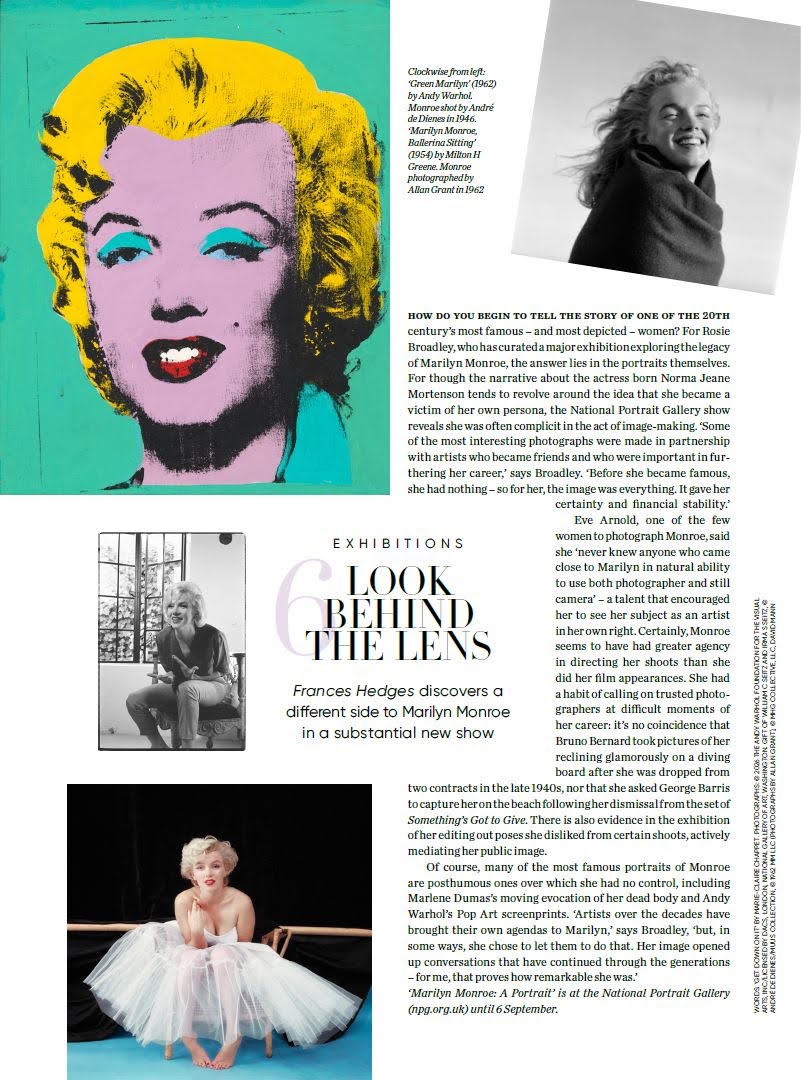
Like Whitey Snyder, of the photographers capturing all that life she lived, a handful became trusted allies to Marilyn. Among them were Sam Shaw, Eve Arnold and Milton Greene, movingly illustrated by the show Marilyn Monroe: A Portrait, opening in June at the National Portrait Gallery.
Sam Shaw’s glorious pictures of a relaxed, off-duty Marilyn, joyously in love with Arthur Miller in the Hamptons, inspired the make-up and the shoot you see here.
When my father died suddenly last year, I was left reeling. A few months on, I left his flat carrying the Barris poster and battered copy of Stern’s book.
As she did when I was little, Marilyn brought comfort to the upside down. She smiled as I sorted out photographs and letters and tried to make sense of things that made none. I read poetry by women who danced with shadow and light – Lucille Clifton, Christina Rossetti and Mary Oliver particularly. Oliver was born nine years after Norma Jeane. Her first book of poetry was published a year after Marilyn’s death, so their worlds did not collide in life.
I wish Marilyn, a voracious reader, could have imbibed the words from her collection, Dream Work. I wish it on behalf of all the girls whose eyes spoke a story, of ancient sorrows and inextinguishable joy. The girls who understood.
‘You do not have to be good,’ Oliver would tell Marilyn. ‘Whoever you are, no matter how lonely, the world offers itself to your imagination, calls to you like the wild geese, harsh and exciting – over and over announcing your place in the family of things.’
Happy birthday, Marilyn.”
 The Marilyn Report