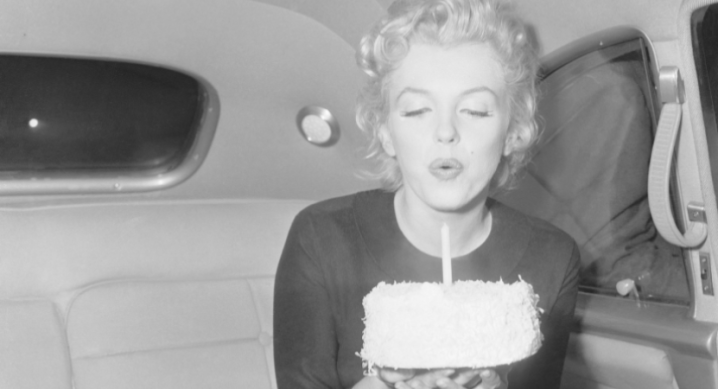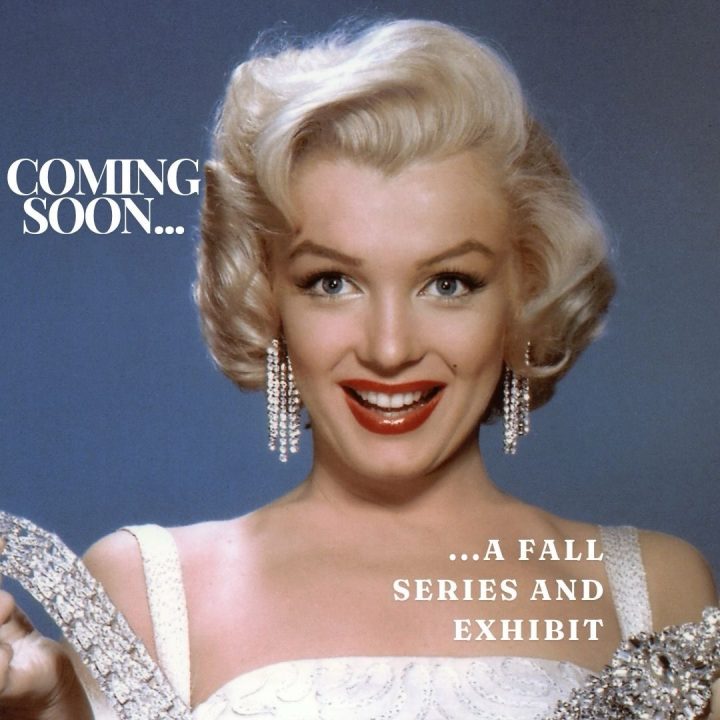
A Marilyn movie retrospective is coming to Indiana University Cinema in Bloomington this fall, with screenings on Sundays at 4:00 pm, as part of the Matinee Classics series. Tickets cost $6, plus a $1 fee for online bookings.
“How can you possibly encapsulate a legend like Marilyn Monroe? The definition of the blonde bombshell, an eternal sex symbol, a cautionary tale of the toxicity of fame, an inescapable figure of American cinema, an actress who forever reshaped movie stardom for women—all of these describe Monroe, and yet we still haven’t scratched the surface of everything she brought to the silver screen and the world at large. With her platinum blonde locks, fiery red lips, infamous beauty mark, unapologetic sensuality, and witty honesty, Monroe was a shock to the system for 1950s audiences … In honour of Monroe’s centennial this year, this four-film series seeks to not only celebrate her bubbly comedic genius but also reveal the dark psyche and deep humanity she explored in lesser-discussed work. Featuring Don’t Bother to Knock, a little-known 1952 thriller with one of her most vulnerable performances, and the trio of outright classics she made in her breakthrough year of 1953—the utterly iconic musical Gentlemen Prefer Blondes, the frothy rom-com How to Marry a Millionaire, and the steamy noir Niagara—Happy Birthday, Ms. Monroe showcases the irresistible charisma, underappreciated agency, and enormous acting intelligence of a magical performer.”
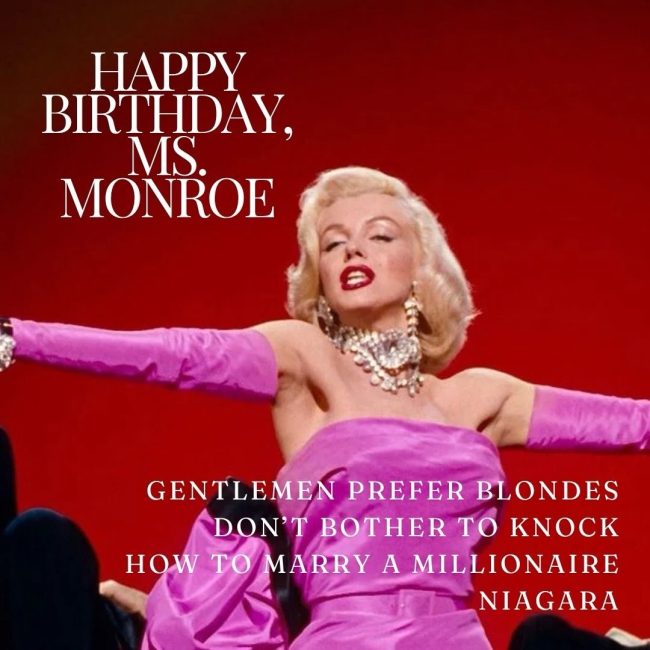
- GENTLEMEN PREFER BLONDES: October 4 – “A crown jewel of ‘50s cinema … both a dazzling, candy-coloured musical comedy and an ode to the undeniable power of female friendship.”
- DON’T BOTHER TO KNOCK: November 1 – “One of the best Marilyn Monroe films you never knew existed, this taut thriller about one woman’s dangerous unraveling exemplifies what made Monroe such a heartbreaking, sensitive performer.”
- HOW TO MARRY A MILLIONAIRE: November 15 – “What’s better: love or money? Money, duh! At least that’s what best friends Lauren Bacall, Marilyn Monroe, and Betty Grable convince themselves of in this delightful escapist romp.”
- NIAGARA: December 6 – “Touted as ‘a raging torrent of emotion that even nature can’t control,’ this fascinating film noir stuns with its ravishing Technicolor, twisty plot, and Marilyn Monroe’s unforgettable performance as a scheming femme fatale.” (Before the film, we’re excited to welcome performer Madison Avenue for a very special introduction to celebrate Monroe and the conclusion of this series.)
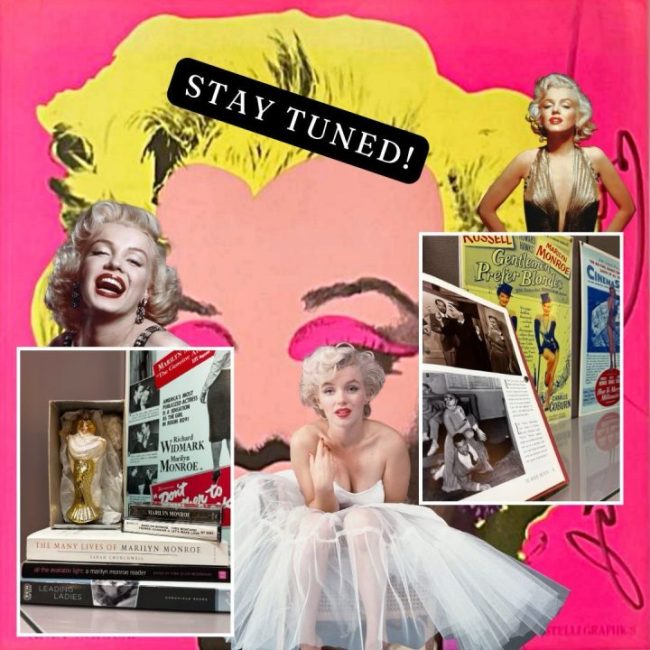
Items of Monroe memorabilia will also be on display for the duration of this series…
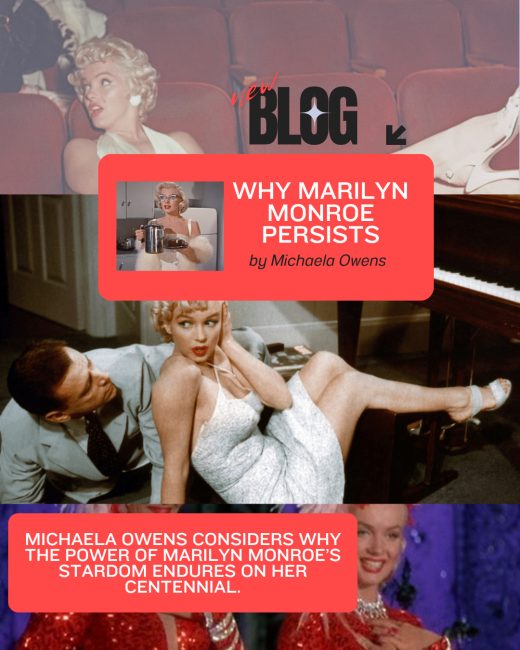
And finally, Michaela Owens explores ‘Why Marilyn Monroe Persists‘ in a post for the Establishing Shot blog.
“Molly Haskell once wrote about Monroe, ‘All we can say is that she has told us, through her stardom and abuse, more about ourselves than we would have known without her.’ For years, we have used her as a mirror, something to reflect our anxieties and desires as we indulge in our self-centeredness and expose our obsession with sex, death, fame, and tragedy … In this way, Monroe represents the experience of womanhood in its most frightening incarnation as she is made into nothing but a vessel meant to carry the dreams, vices, and fears of others. Not even her sudden death at 36 could release her; instead it intensified, smothering any privacy she may have had left … When she died, the media couldn’t help but focus on the fact that she was nude in her bed when it happened, further entangling the notions of sex and death she brings forth in our consciousness.
Perhaps unintentionally, several of her films are studies of her star image, with particular emphasis on how the reality of her interacts with the expectations of her. In The Prince and the Showgirl (1957), Laurence Olivier invites her to a romantic rendezvous, believing she’ll be another one-night-stand until she giggles at his tired approach and unexpectedly ingratiates herself to his entire family with her charming vivacity. How to Marry a Millionaire (1953) mines comedy from her character’s refusal to wear eyeglasses in front of men because she is convinced she won’t be considered attractive in them, only for her to end up with a mate who needs them just as much as she does, thus negating the assumption society has instilled in her. Labelled a ditzy golddigger in Gentlemen Prefer Blondes (1953), she logically explains the practicality of her greed while also proving herself to be an incredibly loyal friend and shrewd thinker.
The Seven Year Itch (1955) is an especially rich text as Tom Ewell’s leering husband cannot see Monroe as anything other than a goddess sent to satisfy his needs … In the end, what shouldn’t be forgotten when we think of Marilyn Monroe is her humanity … Not the lift of a dress or the brazen pin-up pose or the endless heartaches, but the flesh-and-blood woman herself.”