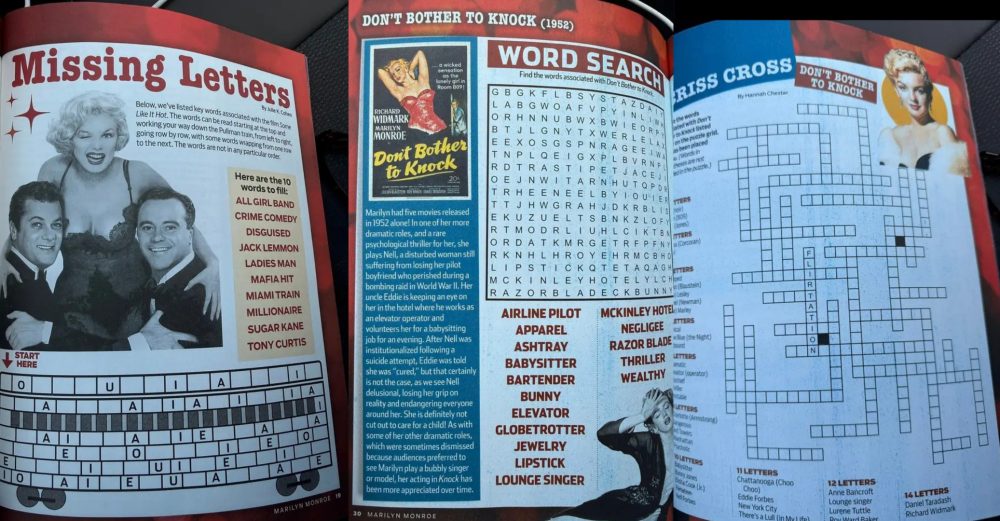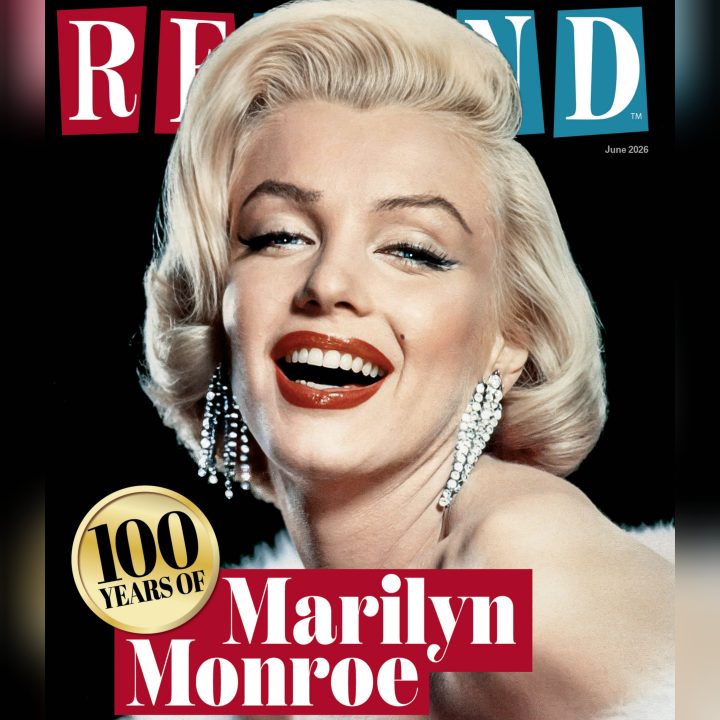
US nostalgia magazine ReMIND celebrates Marilyn’s 100th anniversary in its June 2026 issue.
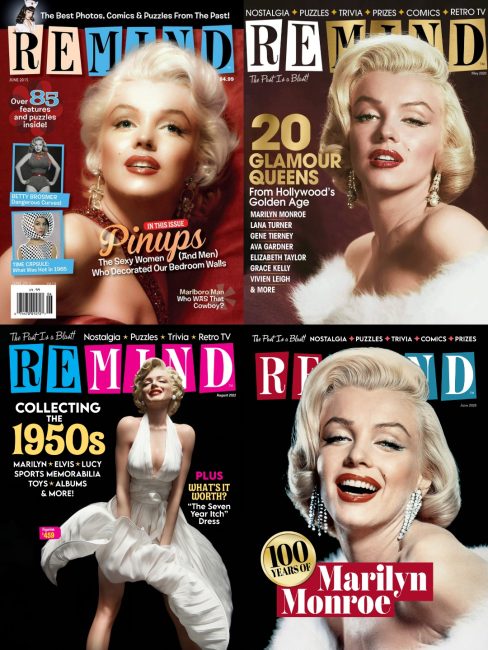
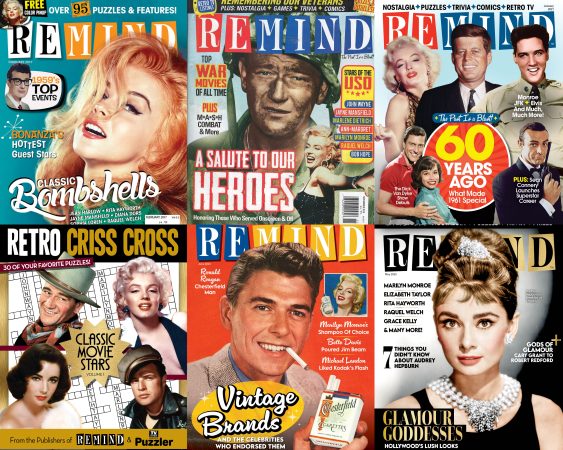
It’s her fourth full cover, using another image from the 1953 ‘white fur sitting’ with photographer Frank Powolny, last seen in 2020 – and Marilyn has made numerous other appearances over the years.
The ReMIND centennial tribute includes ‘Marilyn Monroe Vs. the System,’ an article about her ambitious – if short-lived – venture into film production. It’s a fine overview, but author Justin Beahm wrongly states that Bus Stop was an MMP venture – in fact, The Prince and the Showgirl was the only film her company made.
“Monroe’s success was a double-edged sword, as her sultry appeal .resulted in typecasting, and while she made efforts to control her public image, every forward step was countered by Twentieth Century-Fox’s ‘blonde bombshell’ promotional tactics tethered to each new film. Compounding the issue was her contract with Fox, signed in 1946 and unchanged since 1950, that had her locked into a $1,500-a-week salary that belied her growing celebrity and importance to studio revenue.
As The Seven Year Itch was doing well in theatres in the summer of 1955, Monroe and her team were busy establishing a company intended to guarantee shared earnings, develop films to better showcase the star’s dramatic talents, and keep a handle on how she was being promoted.
Marilyn Monroe Productions (MMP) was unveiled to the world at a news conference at attorney Frank Delaney’s New York home on Jan. 7, 1955, where reporters learned Monroe would serve as president with a 51% share, with the minority ownership falling to Vice President Milton Greene. It was a shock to the industry, and when an enraged Fox finally heard from their star and heard her new demands, they went to war, suing the actor and putting her on suspension. The studio brought a number of proposed contracts to the table, but MMP stuck to their guns, understanding the power they had in Monroe’s vital screen presence.
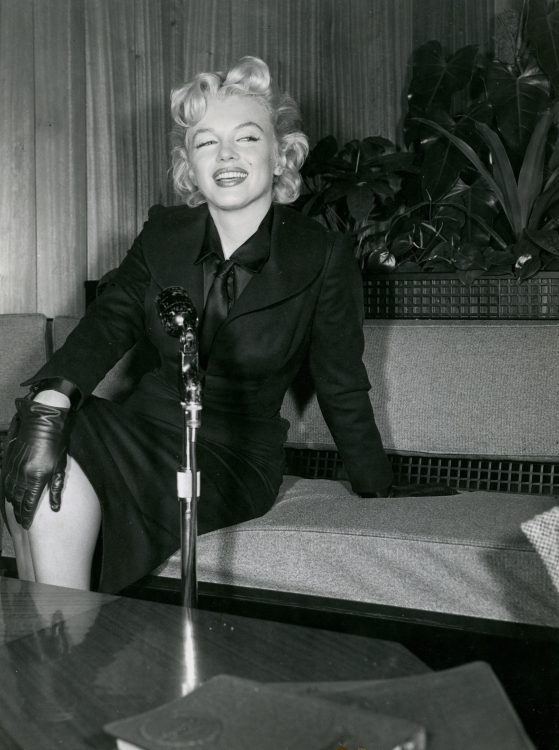
On Jan. 5, 1956, almost a year to the day after the MMP press conference, the New York Times ran an article announcing the dispute was over and ‘ended in victory for the star.’ Fox had entered a non-exclusive, seven-year, four-film contract with MMP that provided for Monroe to share in profits from her pictures and gave her the right of story selection and approval over directors and cinematographers. Marilyn Monroe had defeated the studio system.
It wasn’t long before MMP started to unravel. When Monroe met and wed Arthur Miller in the summer of 1956, the playwright set about ushering Greene out of the actor’s professional life, and the MMP partnership ended the following year. While no further films were made in conjunction with MMP, the company continued to exist to handle Monroe’s earnings and maintain her influence over what she appeared in.
Marilyn Monroe wasn’t the first woman to found her own production company, but the visibility of her battle with Fox continues to inspire creatives who yearn for influence and proper financial participation in what they make. Monroe vs. the System was an important moment of progress in an industry that, for too long, had been anchored in antiquated control systems, proving that everyone should have a voice in their career.”
UPDATE:

From the same publishing stable, the latest issue of US magazine TV Guide Puzzler is dedicated to Marilyn – with another iconic Powolny image on the cover.